
Pest Library · Iowa
Deer Mouse
Peromyscus maniculatus
The white-bellied native mouse common in rural Iowa — and the main hantavirus carrier.
- Size
- 3" – 4" body, 2" – 5" tail
- Color
- Brown or gray top, sharply white belly and feet
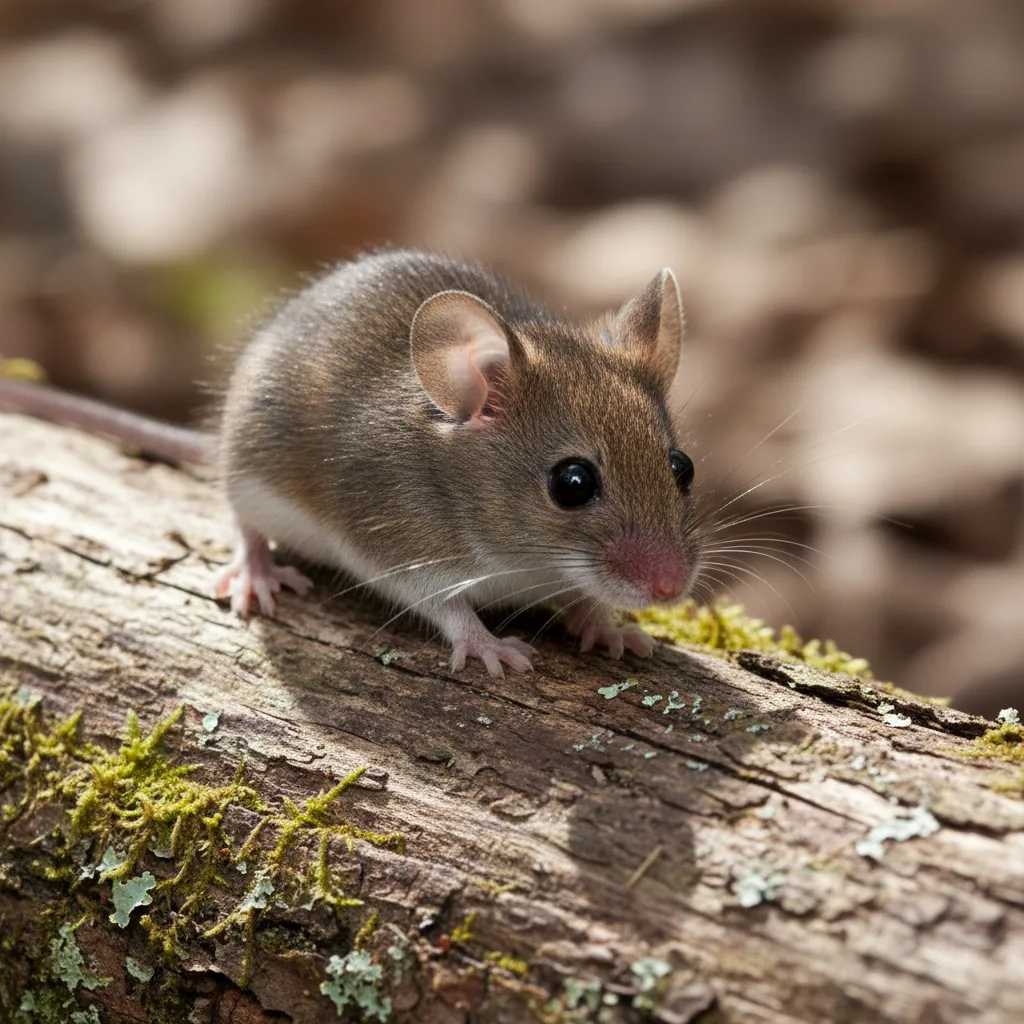
What it looks like
- Sharp two-tone color: brown/gray on top, pure white belly and feet
- Bicolored tail (dark above, white below)
- Larger ears and eyes than house mice
- Most common in rural areas, outbuildings, and cabins
Where you'll find it
- Rural homes, barns, sheds, and detached garages
- Cabins and seasonal homes (move in when humans leave)
- Stored vehicles, farm equipment, and grain storage
- Outdoor: brush piles, hollow logs, and fence rows
Behavior & biology
Deer mice are native to North America and live primarily outdoors. They invade rural buildings opportunistically, especially in fall and winter. They cache seeds in hidden stockpiles. A female produces 2–4 litters per year, 3–7 young per litter. Deer mice are the primary reservoir for Sin Nombre hantavirus in the central US — disturbing dried droppings or nests in enclosed spaces can aerosolize the virus.
Iowa activity calendar
Peak Iowa activity months
Iowa deer mouse pressure indoors peaks October–April. Cabins and unused farm buildings often have heavy populations by spring.
Signs of an infestation
- Two-tone droppings (slightly larger than house mouse)
- Stockpiles of seeds, dog food, or insulation in protected spots
- Nests built from chewed insulation, fabric, and paper
- Gnaw marks on stored items in barns, garages, and cabins
Health & property risk
Deer mice carry hantavirus (Sin Nombre virus) which can cause Hantavirus Pulmonary Syndrome — a rare but often fatal respiratory illness. Cleaning dried droppings or nests in poorly ventilated spaces (cabins, sheds, vehicles) is the highest-risk activity. Always wet down material with bleach solution before cleaning, wear an N95 or better respirator, and gloves.
How we treat it
- 1
Safe inspection + cleanup
We safely inspect contaminated areas, wet down nests with disinfectant before disturbing, and follow CDC protocols for hantavirus risk.
- 2
Snap traps + exterior bait stations
Same trap-inside, bait-outside approach as house mice.
- 3
Comprehensive exclusion
Rural buildings need extensive sealing — barn doors, foundation gaps, vent screens, garage door sweeps.
- 4
Seasonal protection plan
Quarterly visits keep rural buildings clear through fall and winter.
Why DIY usually fails
Never sweep or vacuum dry mouse droppings. Spray with 10% bleach solution, let soak 5 minutes, wipe up with paper towels while wearing gloves and a respirator.
FAQ
Related pests
Ready to get rid of deer mouse?
See our service & pricing page for deer mouse.
See Deer Mouse Service →See deer mouse in your Iowa home?
Free quote, same-day service, no contracts.